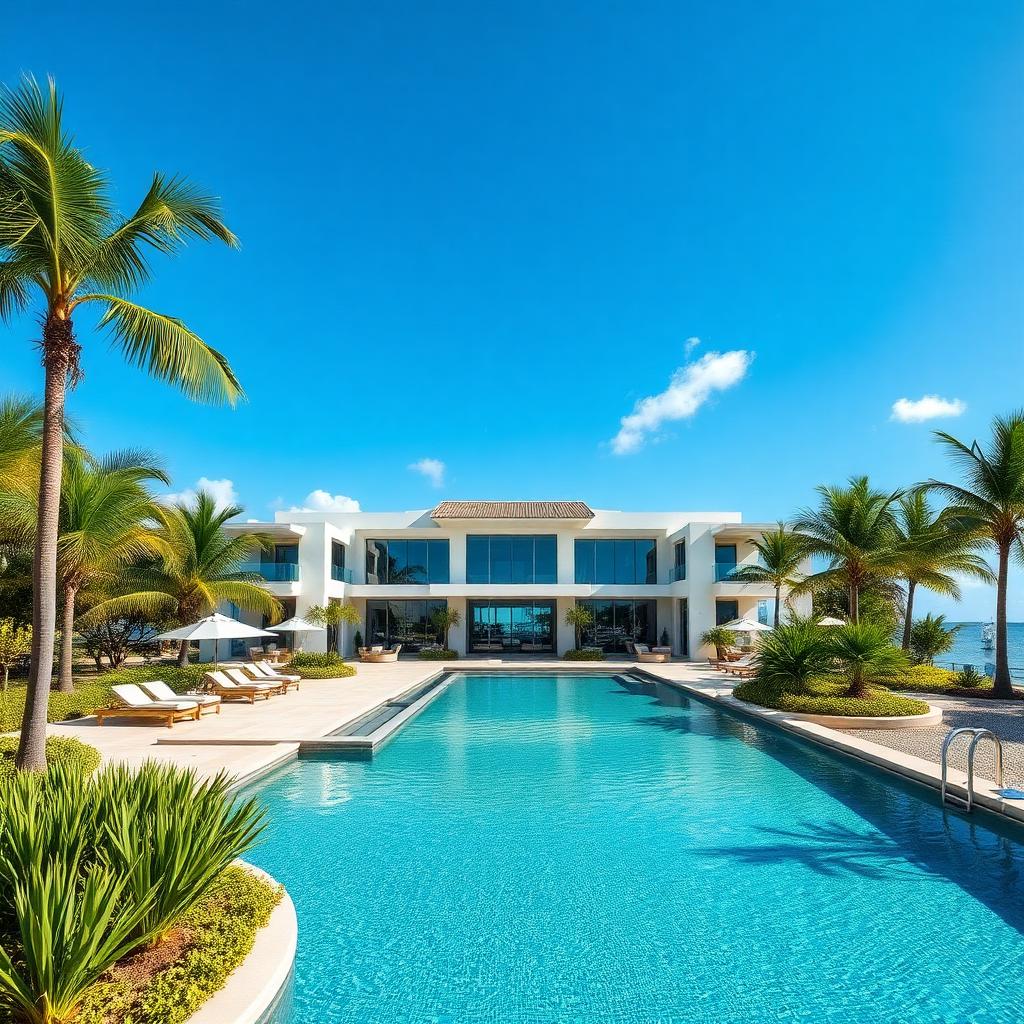
Miami Luxury Real Estate — Homes, Waterfront and Condominiums
Waterfront residences, tower penthouses, branded developments and gated enclaves across Miami — reviewed property by property, with Javier G. Ramirez providing property-specific real estate representation and advisory.
What Defines Luxury in Miami
Not a price threshold — a set of characteristics that are verified property by property.
Miami's high end is described by location that is difficult to replicate, water frontage or protected views, land and built area above the surrounding norm, construction and finish quality, and — in condominiums — the standard at which a building is operated and financed. Any figure presented as the point where luxury begins is a commercial convention, not a rule.
Javier G. Ramirez advises in this segment as an individual Miami real estate broker: reading documents, comparing closed evidence, and separating what a brochure states from what the executed paperwork supports. For background on the formats within the segment, read the guide to luxury condos and waterfront mansions.
Four Formats, Four Different Decisions
Each format carries its own diligence. These are examples of what the segment contains, not a ranking.
Waterfront Residences
Bayfront and oceanfront homes where the site itself carries the value. Frontage, seawall, dockage rights, elevation and insurance exposure are verified per address, not assumed from the listing.
Condominiums and Penthouses
You acquire the residence and the building with it. Association budget, reserves, assessment history, insurance and leasing rules shape both cost and resale, and are read in the governing documents.
Branded and New Development
Residences tied to a hospitality or design brand, or delivered by a developer. Price, delivery, deposits and service programming are defined in the specific contract for that project.
Gated and Private Enclaves
Guarded neighbourhoods and island communities add governance and access control. Association rules, architectural review and any membership arrangement are worth reading before an offer.
Where to Look, and How to See What Is Available
Availability changes continuously. Start from live inventory, then narrow by area.
High-end inventory can be found in areas such as Coral Gables, Key Biscayne, Bal Harbour, Brickell, Miami Beach and Pinecrest, each with a different mix of land, architecture and building types.
Rather than a static list of addresses, work from what is actually on the market today and narrow from there with representation on your side.
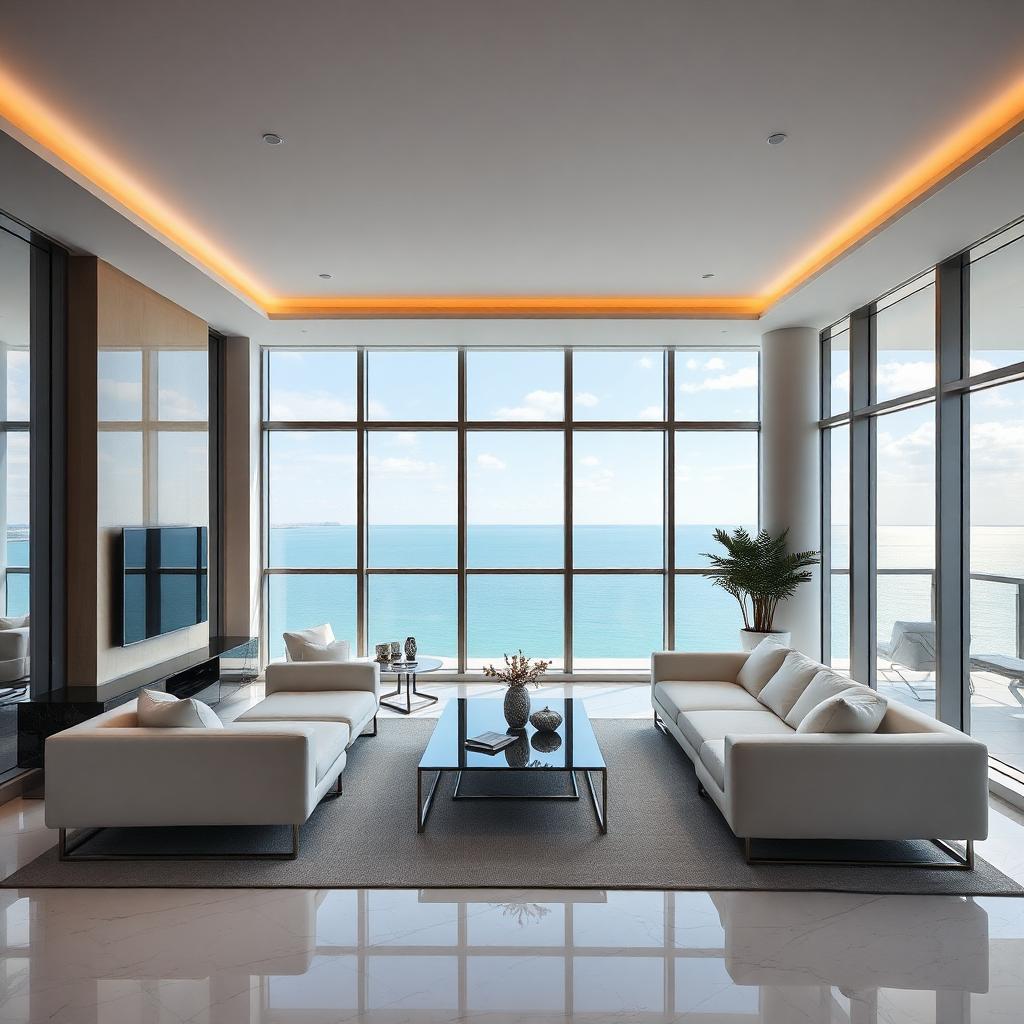
Two Sides, Two Different Mandates
Acquiring
Shortlisting from current inventory, reading building and site documents before an offer, and negotiating terms against closed evidence rather than asking prices.
Continue with buyer representation or review new developments.
Selling
Positioning a high-end property against comparable closed sales and current competition, preparing the documentation buyers at this level ask for, and presenting the property accordingly.
Continue with seller advisory or request a property valuation.
What Gets Checked — Property by Property
Nothing in this segment generalises well. What applies depends on the specific property, building and project, and is confirmed in documents before an offer is made or accepted.
- 01
Site, water and elevation
Survey, seawall and dock permits, flood zone and elevation, and the insurance quotes that follow from them — obtained for the specific property.
- 02
Association documents
Declaration, rules, budget, financial statements, reserves, insurance, minutes and any current or contemplated special assessment.
- 03
Leasing and use
Minimum lease terms, approval processes and short-term rental restrictions are set locally and by the building; they are confirmed in writing before you rely on them.
- 04
New-development contract terms
Purchase price, deposit staging, delivery estimates, finish specifications and change provisions are project-specific and read in the executed documents.
- 05
Condition and permits
Inspections, permit history for renovations and structural work, and the milestone-inspection and reserve-study framework where it applies to the building.
Miami, On Film
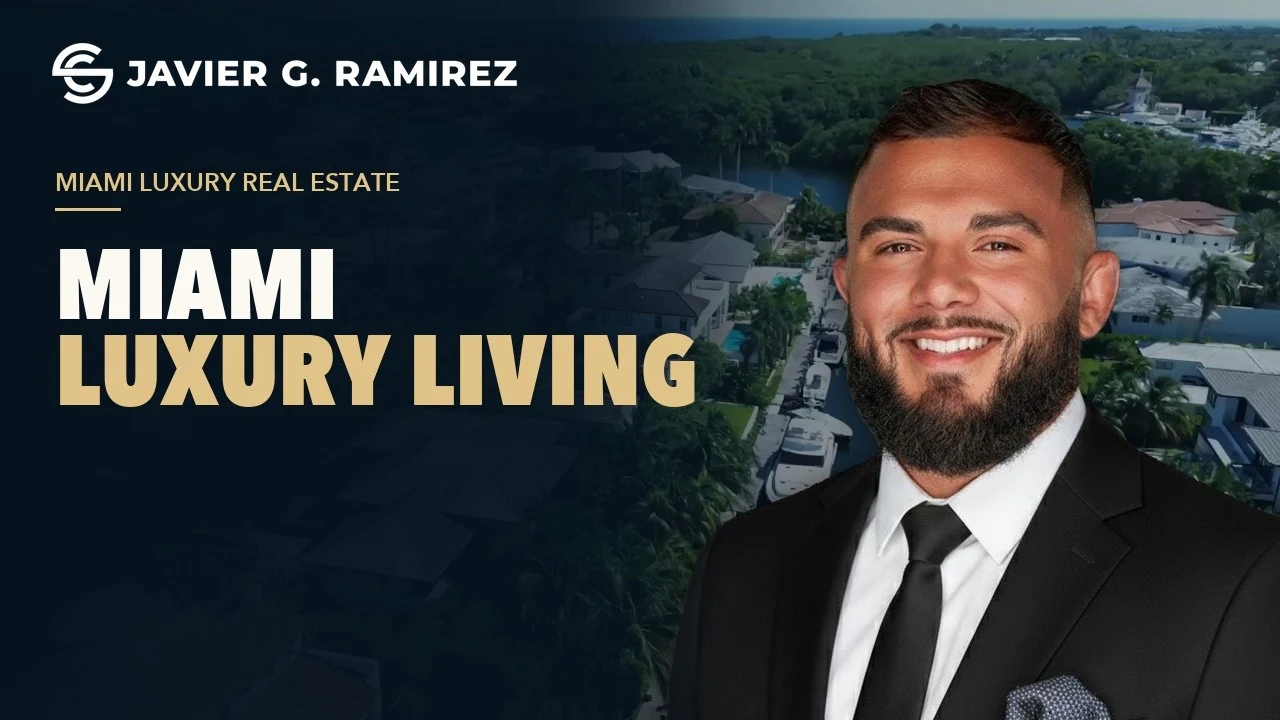
Luxury Guides
What to Evaluate Before Buying or Selling Miami Waterfront Property
Much of Miami's luxury market sits on the water, and water changes the analysis. Buyers use these factors to compare properties; sellers use them to document what makes a residence valuable.
- 01
Water type and access
Bayfront, canal-front and oceanfront property offer different views, shelter and access to open water, and they are rarely comparable on price per foot.
- 02
Dockage and bridge clearance
Dock length, water depth, permitted lifts or slips and the clearance of every bridge on the route determine which vessels the property can actually serve.
- 03
Seawall and water frontage
Seawall condition can be a significant ownership cost and warrants inspection by a marine contractor; linear frontage matters as much as lot size.
- 04
Orientation, views and privacy
Orientation affects sun on terraces and pool decks, sightlines can change with neighboring construction, and privacy depends on setbacks and landscaping.
- 05
Flood zone, elevation and insurance
Review the flood zone, elevation certificate and finished-floor height before writing an offer; they influence insurance cost and future renovation options. FEMA publishes the governing flood maps.
- 06
Riparian rights and documentation
A complete file includes the survey, dock and seawall permits, any submerged-land lease, prior insurance claims and environmental restrictions, reviewed with the appropriate professionals.
Waterfront homes
Read Javier's guide to waterfront homes for sale in Miami, then explore the waterfront enclaves in the Miami communities directory.
Buying at the top of the market
Pair the due diligence with buyer representation, or browse current new developments if you prefer a residence not yet delivered.
Selling a luxury residence
Owners can start with a private home valuation and review seller representation before deciding how much exposure the listing should have.
Speak Directly with Javier
Whether you are acquiring or preparing to sell in Miami's high-end segment, the conversation starts with the property and the documents behind it.
(786) 372-9872Luxury Property Inquiry
Tell Javier about your luxury property goals. Every conversation is private and without obligation.
Miami Luxury Real Estate — Frequently Asked Questions
What is considered luxury real estate in Miami, Florida?
There is no official definition and no fixed price threshold. In practice the segment is described by characteristics: location that is difficult to replicate, waterfront or protected views, land and built area above the surrounding norm, construction and finish quality, and — in condominiums — a building whose services and operation are run at a high standard. Examples include waterfront homes in Key Biscayne, tower residences in Brickell, historic estates in Coral Gables and oceanfront condominiums in Bal Harbour.
Where can buyers explore Miami luxury real estate?
High-end inventory appears across a number of areas — among them Star Island, Indian Creek, Bal Harbour, Key Biscayne and gated enclaves within Coral Gables. What is actually available changes continuously, so it should be verified against current Miami listings rather than a static list.
How do I buy a luxury condo in Brickell or Miami Beach?
Start with a licensed Miami broker and a written picture of the building, not only the unit. Association fees, reserves, any pending or approved assessments, insurance, leasing rules and building operation all belong in the review. Javier works from current MLS and developer inventory to identify units that fit your criteria, flags transaction-relevant building and association items, and coordinates document and legal review with your attorney or advisors where appropriate. Contact Javier to begin.
How should a luxury property be evaluated as an investment?
Property by property, and with documents rather than averages. Carrying costs, insurance, association finances, leasing rules and the specific characteristics of the site drive the outcome, and none of them can be promised in advance. Javier handles the real-estate analysis and diligence; projections, tax treatment and structuring belong with your qualified financial, tax and legal advisors. Broader market context is covered in the Miami real estate market overview.
Do luxury homes in Miami come with waterfront access?
Many properties may offer water frontage or water access, but dockage, seawall condition, beach access and related property rights differ from one address to the next and are verified individually — through surveys, permits and the applicable governing or municipal records. The waterfront homes guide covers what to check.
What amenities do luxury condominiums in Miami offer?
Amenity programs vary by building and by project. Pools, fitness and spa facilities, concierge or valet service, private dining rooms and rooftop terraces appear in many buildings, but what exists, what is included and what carries a separate charge is set by that building's documents and budget — and should be verified there rather than in marketing material.
Can international buyers purchase luxury property in Miami?
Yes. International buyers may purchase real estate in Miami, subject to the legal, tax, documentation, financing and ownership-structure requirements that apply to their circumstances. Javier handles the real-estate representation alongside the buyer's qualified legal, tax and lending professionals. The Miami property acquisition process sets out the steps.
How long does it take to sell a luxury home in Miami?
There is no fixed timeline. Time on market depends on the property itself, pricing relative to closed comparables, the competing inventory at the time of listing and the depth of qualified demand. Javier's Miami selling advisory sets positioning against documented evidence rather than a promised number of days.
What should buyers check before purchasing Miami waterfront property?
Compare water type and access, dock length and depth, bridge clearance, seawall condition, orientation and privacy, then review the flood zone, elevation certificate, insurance and the permit file before writing an offer. Javier's guide to waterfront homes for sale in Miami covers each factor in more detail.