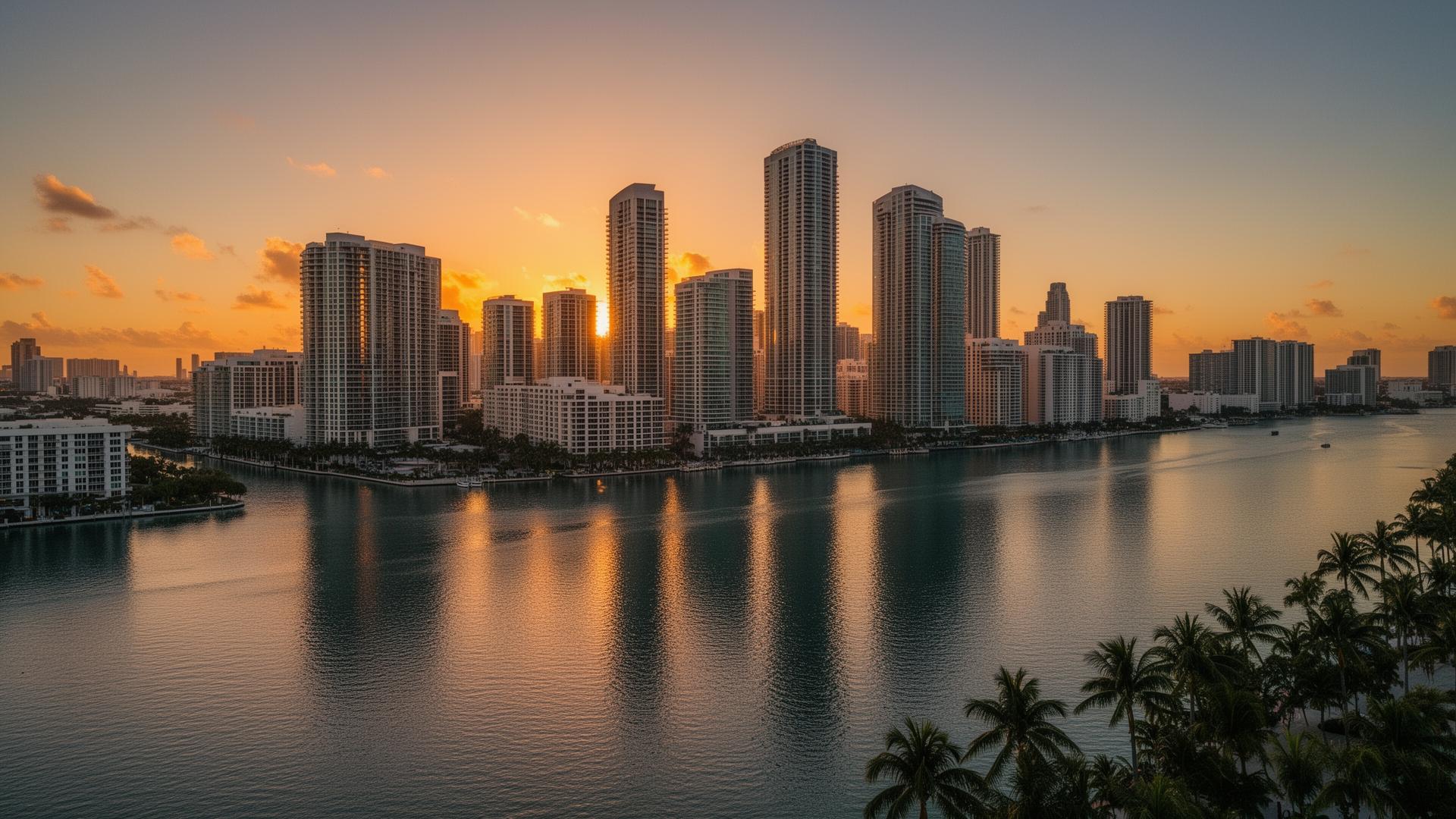
Miami Real Estate Market — Trends, Data & Expert Analysis for Miami, Florida
Stay informed about Miami's real estate market with analysis from Javier G. Ramirez. Javier tracks pricing trends, inventory levels, and buyer activity across Brickell, Coral Gables, Miami Beach, and every Miami-Dade neighborhood — intelligence that anchors his buying and selling advisory.
Neighborhood Market Review
Javier prepares a written read on pricing, inventory and absorption for the specific neighborhood, building or property type you are considering.
Request a Market Report(786) 372-9872What the Miami market looks like right now
Miami is not one market. Urban condos, detached single-family homes, waterfront property and rentals each move on their own supply, demand and cost structure, so a single headline number rarely answers a real question.
The useful read is always narrower: the building or block, the property type, the price band, and recent closed comparables rather than asking prices. For a longer breakdown, see the analysis of Miami housing market trends.
Miami-Dade Market Data: Single-Family vs. Townhouses & Condos
MIAMI REALTORS® report · September 2026 data · Miami-Dade County
County-wide medians for the month of September 2026. They describe the market as a whole, not the value of any individual property.
Single-family homes
Townhouses & condominiums
The two segments moved differently. Single-family homes had about five months of supply in September 2026, while townhouses and condominiums had more than twelve — so "limited inventory" describes one segment far better than the other.
For a specific home, building or street, Javier reads these figures alongside recent closed comparables and current competition. Request a property valuation or a neighborhood market review.
- MIAMI REALTORS® — September 2026 Miami-Dade market report (Oct. 16, 2026)
- Miami-Dade County Single-Family Homes — September 2026 detail (PDF)
- Miami-Dade County Townhouses and Condos — September 2026 detail (PDF)
Year-over-year changes are rounded to one decimal. Figures are county medians for the month shown and are not a forecast or a valuation of any property.
Understanding the Miami Real Estate Market in 2026
The Miami real estate market continues to draw domestic migration from high-tax states, international interest, and a growing technology and finance ecosystem. U.S. Census Bureau data shows Miami-Dade County's population exceeding 2.7 million, while the National Association of Realtors® publishes housing statistics that track domestic and international buyer activity, including Florida and Miami. Working with a Miami real estate broker gives you the market intelligence to read those trends against your own situation.
Across Miami-Dade County, pricing has moved unevenly by segment. Single-family homes in neighborhoods like Coral Gables, Pinecrest, and South Miami are shaped by limited inventory and demand for lower-density detached homes on larger lots, so current figures should be verified against recent closed sales.
The condo market in Brickell and Downtown Miami has evolved with a wave of new luxury tower deliveries. Branded residences and high-end developments draw global buyers, while resale values in established buildings are often read against new-construction pricing.
Javier monitors these dynamics daily and gives his clients the intelligence needed to make informed decisions. Whether you are considering selling your Miami home or buying property, understanding current conditions is essential.
For buyers evaluating where to look, the guide to the best neighborhoods for buying in Miami provides neighborhood-level pricing and inventory analysis informed by these same dynamics.
What Javier Watches
- No state income tax attracting high-earners from NY, CA, IL, NJ
- Growing tech and finance sector expanding employment base
- International investment from Latin America, Europe, and beyond
- Limited buildable land constraining new supply
- Year-round tropical climate and lifestyle amenities
- Extensive infrastructure and international airport connectivity
- Rental demand across urban and suburban segments
- Florida's business-friendly regulatory environment
Miami Market by Neighborhood — Where Prices Are Moving
Four areas that illustrate how differently Miami's segments behave. Each should be reviewed at the building, block and property-type level rather than by county-wide averages.

Brickell & Downtown
The urban condo market spans compact one-bedrooms to penthouse residences, with new tower deliveries continually reshaping available inventory. Pricing and absorption vary by building and line, so both should be reviewed at the building level.
Coral Gables
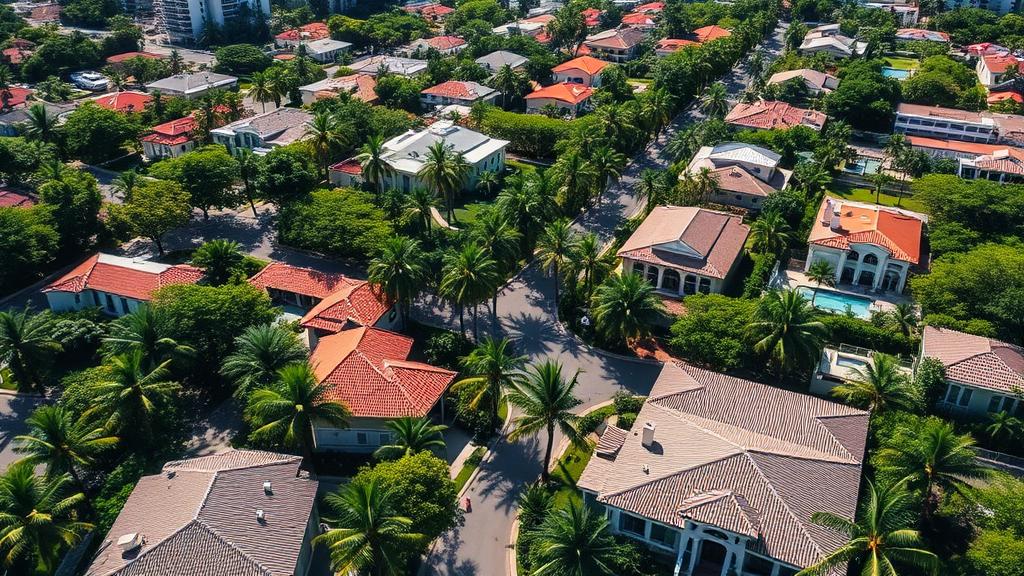
Single-family demand is shaped by the city's historic architecture, Miracle Mile shopping, and proximity to Downtown. Inventory is limited and pricing varies widely by lot, street and condition, so comparable closed sales matter more than area averages.
Miami Beach & South Beach
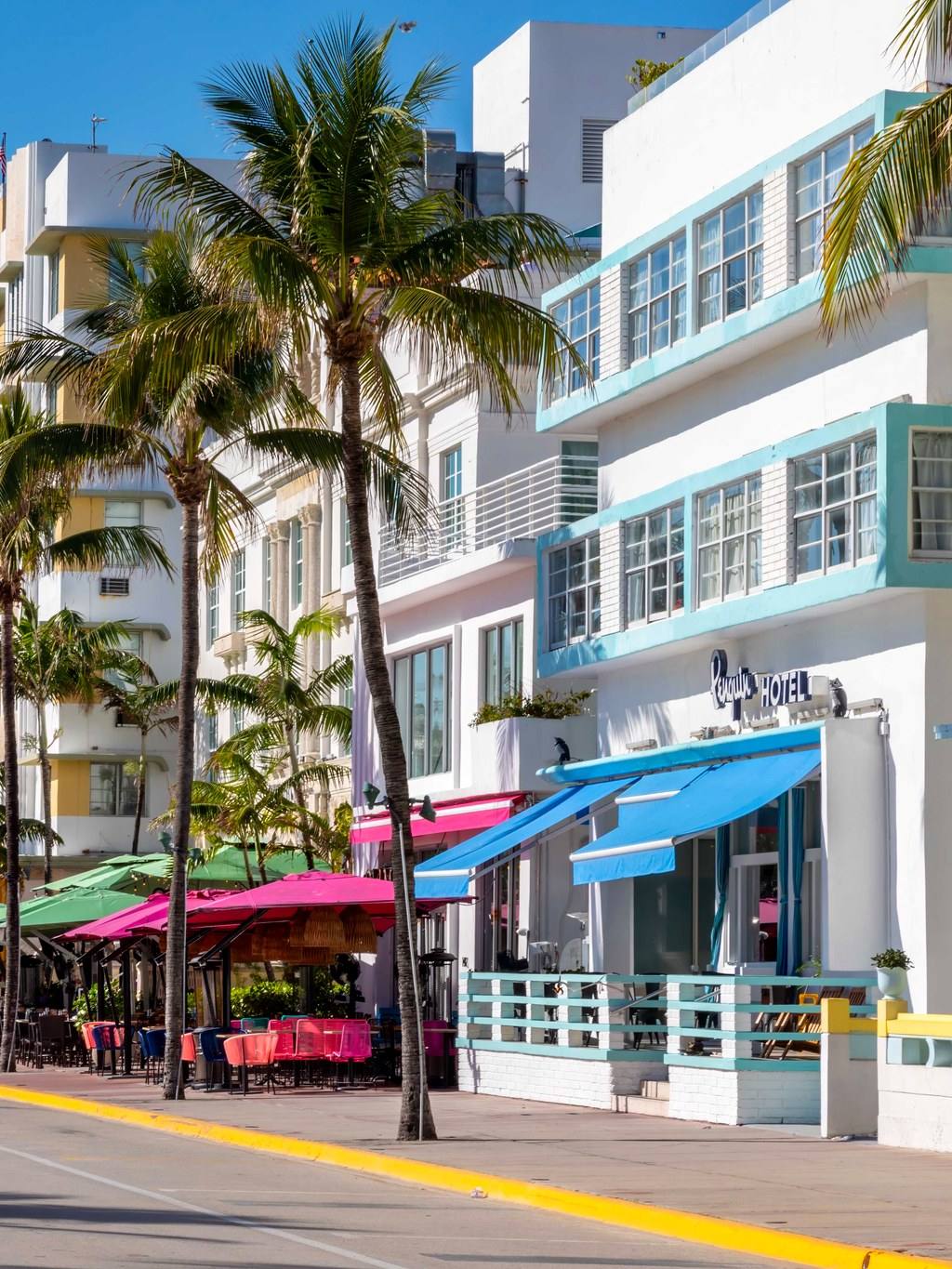
The beachfront market attracts both end-users and seasonal buyers. Pricing varies by building, location and condition and should be checked against recent comparable closed sales. International demand, particularly from Latin America and Europe, continues to be a key market driver.
Pinecrest & South Miami
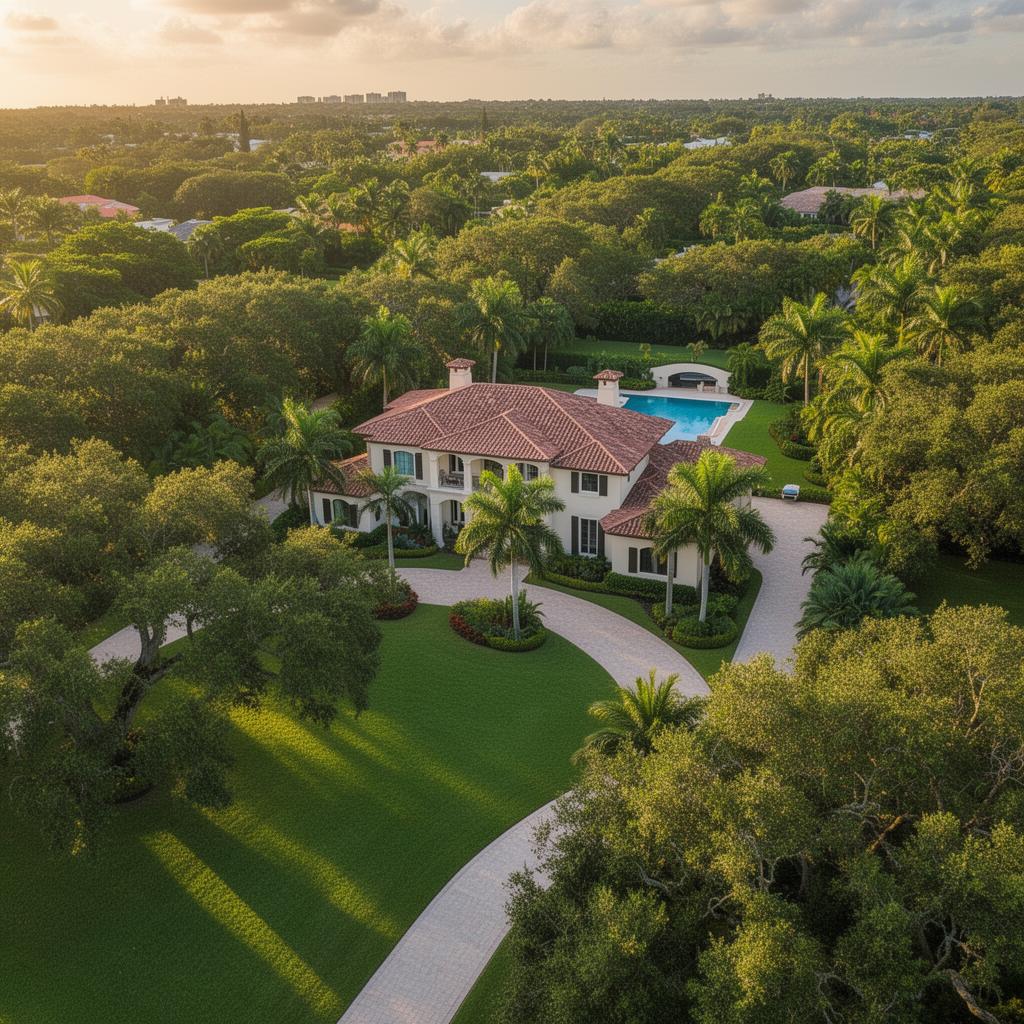
County-wide, single-family supply was about five months in September 2026 — tighter than the condominium segment. Well-priced, well-presented homes can draw competition, though timing and final price depend on the individual property.
Rental Market Trends in Miami, FL
Miami's rental market is equally dynamic. Demand for apartments in Brickell and Wynwood remains a significant part of the market. Rents vary by building, unit line, furnishing and lease term, and single-family rentals in Pinecrest and Coral Gables price on size, condition and location.
For property owners weighing renting against selling, Javier prepares a financial comparison between potential rental income and current sale value. Miami's rental market is one option for owners of well-located properties, while a current property valuation clarifies your equity position and selling options.
What the Miami Market Means for You
Whether you are a buyer, seller, investor, or renter, understanding Miami's conditions gives you a strategic advantage. Javier's practice, registered with the Florida DBPR, provides customized market reports for any neighborhood in Miami-Dade County. Javier analyzes pricing trends, inventory movements, days on market, and buyer activity to help you make confident decisions.
Explore current Miami listings or request a personalized market briefing from Javier.
Miami Market Video Briefing
Put the market read to work
Buy Property in Miami
Use market data to time your purchase and evaluate value.
Sell My House in Miami
Position and price your home against current conditions.
Miami Homes for Sale
Browse available listings informed by current market conditions and pricing trends.
Selling Advisory
Sell at the right moment with market intelligence behind the decision.
Buying Advisory
Make informed buying decisions with data rather than headlines.
Home Valuation
Understand your home's value in today's market.
Further reading on the Miami market
Miami Real Estate Market Trends Explained
Data-driven analysis of pricing, inventory, and buyer activity.
Miami Condo vs. Single-Family Prices
Compare property types, pricing behavior, and ownership costs.
Is Now a Good Time to Buy in Miami?
Timing considerations and market outlook for buyers.
Best Neighborhoods to Buy in Miami
Neighborhood-level pricing data and inventory analysis.
How to Sell Your House for Maximum Value
Market-informed strategies to price and position your home.
Buying in Miami vs. South Florida
How Miami compares to Broward, Palm Beach, and other Florida markets.
Request a market report for your neighborhood
Tell Javier the neighborhood, building or property type you are following and he will prepare a written read on pricing, inventory, days on market and recent closed comparables for that specific segment.
Prefer to talk it through? Call (786) 372-9872 or get in touch with Javier.
Request Market Analysis
Organize your neighborhood details below, then send them directly to Javier.
Miami Real Estate Market — Frequently Asked Questions
Is the Miami real estate market going up or down?
It depends on the segment. For September 2026, MIAMI REALTORS® reported a Miami-Dade single-family median sale price of $692,000, up 4.1% year over year, and a townhouse-and-condominium median of $417,090, down 0.7%. Conditions also vary by neighborhood — Coral Gables and Pinecrest behave differently from the urban condo market. Contact Javier for a current neighborhood analysis.
What is the average home price in Miami right now?
Home prices in Miami vary significantly by neighborhood and property type — condos in Downtown Miami, single-family homes in Coral Gables and waterfront property in Bal Harbour or Key Biscayne each price differently. Because medians move, pricing should be verified against current closed comparables. Request a property valuation for your specific property.
Is it a good time to buy in the Miami real estate market?
It depends on what you are buying. In September 2026 Miami-Dade had 12.3 months of townhouse and condominium supply versus 5.1 months for single-family homes, so condominium buyers generally had more choice than single-family buyers. Within either segment, value is found property by property; a Miami real estate agent and, where financing is involved, mortgage pre-approval help. Learn about buying in Miami.
Is it a good time to sell in the Miami real estate market?
A seller's position depends on the segment. With 5.1 months of single-family supply in September 2026, well-priced homes in Pinecrest, South Miami and Coral Gables could still draw competition, while townhouse and condominium sellers faced 12.3 months of supply and more competing listings. Start with a property valuation to understand your position.
How does the Miami real estate market compare to other Florida cities?
Miami differs from most Florida markets in its international demand and depth of luxury inventory. Unlike Orlando or Tampa, Miami attracts significant foreign capital and benefits from no state income tax migration from the Northeast. Javier prepares a comparative market analysis on request.
What factors are driving the Miami real estate market?
No single factor. Available supply — including new construction entering some submarkets but not others — the mix of local, out-of-state and international buyers, the cost of financing for buyers who use a mortgage, and the cost of holding a property (property taxes, insurance, association dues and special assessments) all interact, and each can move different segments in different directions at different times. Limited buildable land in areas like Key Biscayne and Coral Gables constrains supply there. None of these forces predicts a specific property's price; Javier reads them within the segment that actually competes with yours.
How is the price of a specific Miami home formed?
From evidence about that property, not a citywide average. Recent closed sales of genuinely similar homes show what buyers actually paid; active competing listings and their price reductions show what a buyer could choose instead. A list price is the seller's starting position, not evidence of value, and price per square foot is only meaningful between properties that are already similar. Location within the neighborhood, lot and building size, condition, roof and systems, water frontage and — for condominiums — the association's reserves, assessments, insurance and rental rules all move the number. The Miami-Dade Property Appraiser publishes ownership, recorded characteristics and prior transfers; assessed value for tax purposes is not market value. A property valuation applies this to your home.
What are the hottest neighborhoods in Miami's real estate market?
Activity concentrates differently by property type. Brickell and Edgewater carry much of the condo demand, Coral Gables and Pinecrest concentrate detached single-family inventory, and Wynwood draws interest for mixed-use living. Javier and the agents he works with can help you compare areas against your own criteria.
Where can I find Miami real estate market reports?
Javier G. Ramirez publishes market analysis through his blog and client updates, and prepares custom market reports for specific neighborhoods on request. Contact Javier to request a market briefing tailored to your area of interest.